A Comprehensive Overview to A/c Jobs: Skills, Training, and Job Leads
The cooling and heating market is a dynamic field that calls for an one-of-a-kind set of abilities and training. Experts need to possess strong communication and analytical abilities while paying attention to information. Employment training and certifications are vital for those seeking to enter this field. As need for energy-efficient modern technologies grows, so do job potential customers. Understanding the demands and pathways can open up varied chances within this industry. What are the crucial elements that can affect profession advancement?
Important Abilities for Cooling And Heating Professionals
Although technological expertise is critical, HVAC professionals must additionally possess a varied set of vital abilities to succeed in their field. Communication skills are critical, as service technicians usually engage with customers to describe intricate issues and options in understandable terms. Analytic capabilities are equally important; experts should detect and fix cooling and heating system breakdowns effectively.

Furthermore, solid interest to detail guarantees that repairs and installments are finished properly, minimizing prospective problems. Physical stamina and dexterity are necessary, offered the needs of the work, consisting of lifting heavy equipment and functioning in constrained rooms.
Time management skills permit HVAC technicians to prioritize jobs successfully, assuring prompt solution delivery. Versatility is vital in a rapidly progressing sector where brand-new technologies and practices emerge frequently. Jointly, these abilities improve an a/c expert's effectiveness, assuring they meet customer demands while keeping high criteria of solution.
Training and Accreditation Demands
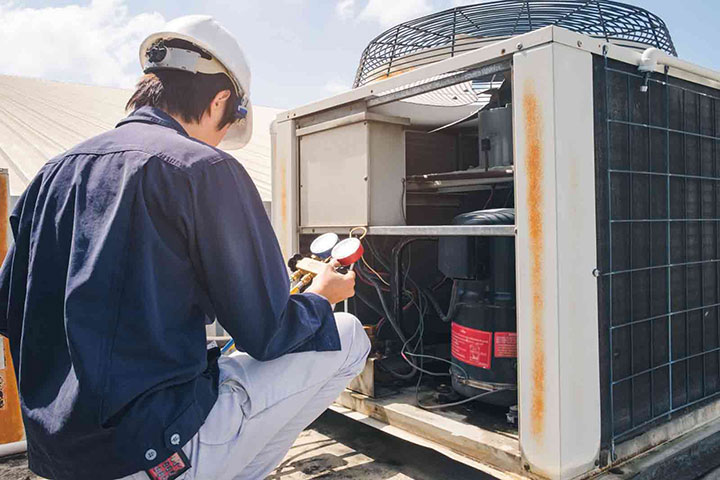
To master the heating and cooling sector, people have to go through specific training and obtain appropriate certifications that verify their skills and expertise. Usually, striving a/c specialists start with a high institution diploma or matching, adhered to by occupation training or an associate degree in HVAC technology. These programs often cover essential principles, system layout, and repair service strategies.
Along with formal education, getting certifications from recognized companies, such as the Epa (EPA) and North American Service Technician Excellence (NATE), is necessary. EPA accreditation is essential for handling cooling agents, while NATE qualification demonstrates proficiency in various heating and cooling topics.
Hands-on experience via internships or apprenticeships additionally enhances an individual's qualifications. Constant education and learning is also important, as the cooling and heating sector progresses with new modern technologies and guidelines. By meeting these training and certification demands, individuals position themselves for success in a competitive task market.
Job Paths in the Heating And Cooling Sector
With the necessary training and qualifications in location, individuals can check out various career courses within the heating and cooling market. Typical duties consist of a/c service technician, who performs installation, repairs, and upkeep of heating, air flow, and air conditioning systems. One more alternative is becoming a HVAC engineer, concentrating on system layout and effectiveness, often needing innovative education in engineering concepts.
In addition, people may seek sales functions, specializing in a/c services and products, which require solid communication skills and technical knowledge. Some may pick to advance into management placements, overseeing teams and projects while making sure compliance with industry requirements. Moreover, chances exist in energy bookkeeping, where professionals evaluate power usage in structures and advise improvements. Each path provides special obstacles and incentives, dealing with varied capability and rate of interests within the HVAC area.
Task Potential Customers and Employment Opportunities
The heating and cooling market flaunts a solid demand for qualified specialists, driven by the continuous need for climate control systems in residential, industrial, and commercial setups. As power efficiency and environmental sustainability become significantly vital, the need for experienced specialists proceeds to rise. Work prospects are especially desirable for those with specialized training and qualifications, as companies look for people with the most recent understanding in energy-efficient technologies and wise cooling and heating systems.
According to sector reports, the work of a/c professionals is predicted to grow considerably over the following decade, mirroring the market's strength also throughout economic fluctuations. Additionally, as older systems require replacement and brand-new buildings emerge, opportunities reach both experienced experts and novices. Several heating and cooling firms are likewise expanding their services, creating additional openings (HVACJobsOnly). Overall, individuals getting in the you could look here HVAC field can this content anticipate a robust work market, with enough chances for growth and security
Tips for Progressing Your A/c Job
As experts browse their cooling and heating jobs, seeking constant education and specialized training can considerably enhance their improvement potential customers. Taking part in qualification programs, such as those supplied by North American Service Technician Excellence (NATE) or the Refrigeration Service Engineers Society (RSES), can greatly enhance a service technician's trustworthiness and data base. Networking within the sector is equally vital; going to trade convention, workshops, and regional sector events can open doors to new possibilities and collaborations.
Furthermore, gaining experience in diverse areas, such as business systems or energy performance modern technologies, allows technicians to come to be versatile specialists - HVACJobsOnly. Creating soft abilities, consisting of interaction and analytic abilities, is crucial for those aiming for managerial or administration duties. Staying educated concerning sector fads and emerging modern technologies warranties that A/c specialists remain affordable in a swiftly progressing field, placing them for long-lasting job success.

Regularly Asked Inquiries
What Is the Typical Salary for HVAC Technicians?
The typical salary for a/c professionals differs by area and experience but normally ranges in between $40,000 and $60,000 annually. Factors such as qualifications and expertise can greatly influence earning possible in this area.
Are There Specialized Heating And Cooling Fields to Think About?
Yes, there are specific HVAC fields, including residential, commercial, and commercial HVAC, along with locations like refrigeration, energy monitoring, and indoor air high quality. Each expertise offers one-of-a-kind skills and career chances within the market.
Exactly How Can I Locate A/c Job Openings?
To more information discover cooling and heating job openings, people ought to check out on-line task boards, business sites, industry-specific forums, and neighborhood profession schools. Networking with professionals in the field can likewise discover surprise opportunities and potential job leads.
What Devices Are Vital for HVAC Work?
Crucial devices for cooling and heating job include multimeters, cooling agent evaluates, pipe wrenches, air pump, and leakage detectors. These instruments allow professionals to detect, repair, and preserve air, home heating, and ventilation conditioning systems properly and efficiently.
Can I Work in Cooling And Heating Without Accreditation?
Yes, one can work in cooling and heating without qualification, although opportunities may be restricted. Many companies prefer accredited candidates, and individuals without certification might discover it testing to advance in their professions or gain access to certain task placements.
To excel in the Heating and cooling industry, individuals must go through details training and obtain appropriate accreditations that confirm their skills and expertise. Usually, aiming Heating and cooling professionals begin with a high institution diploma or equivalent, adhered to by vocational training or an associate degree in Cooling and heating technology. With the needed training and qualifications in location, individuals can explore various job courses within the Heating and cooling market. According to sector records, the employment of HVAC service technicians is predicted to expand substantially over the following years, mirroring the market's durability even throughout financial variations. Yes, there are specialized HVAC fields, consisting of property, business, and industrial Heating and cooling, as well as areas like refrigeration, power monitoring, and indoor air high quality.